
Last updated September 4, 2026
Disclaimer: Featured information pulled from manufacturer websites and third-party review sites The Hull Truth and Reddit. We strive for accuracy, objectivity, and informativeness. Product details current at the time of article publication.
Choosing the right sea strainer isn’t as simple as picking the biggest basket or the cheapest option.
Boat owners have a flood of options, including traditional bronze strainers, plastic budget units, smart self-cleaning systems, and full-blown MGPS (Marine Growth Prevention System) anti-fouling setups.
Among these choices, the quality and long-term performance vary greatly. Some brands require weekly basket cleaning in warm waters, while others automate the entire process or protect the boat’s entire seawater system from marine growth.
The chart below breaks down seven of the most popular strainers and growth-prevention options, including materials, maintenance levels, real-world user sentiment, and what you can realistically expect out on the water.
After the table, each brand gets its own deep-dive so you can compare features, performance, pros, and cons side-by-side.
Comparison Table: Market’s Top-Selling Sea Strainers
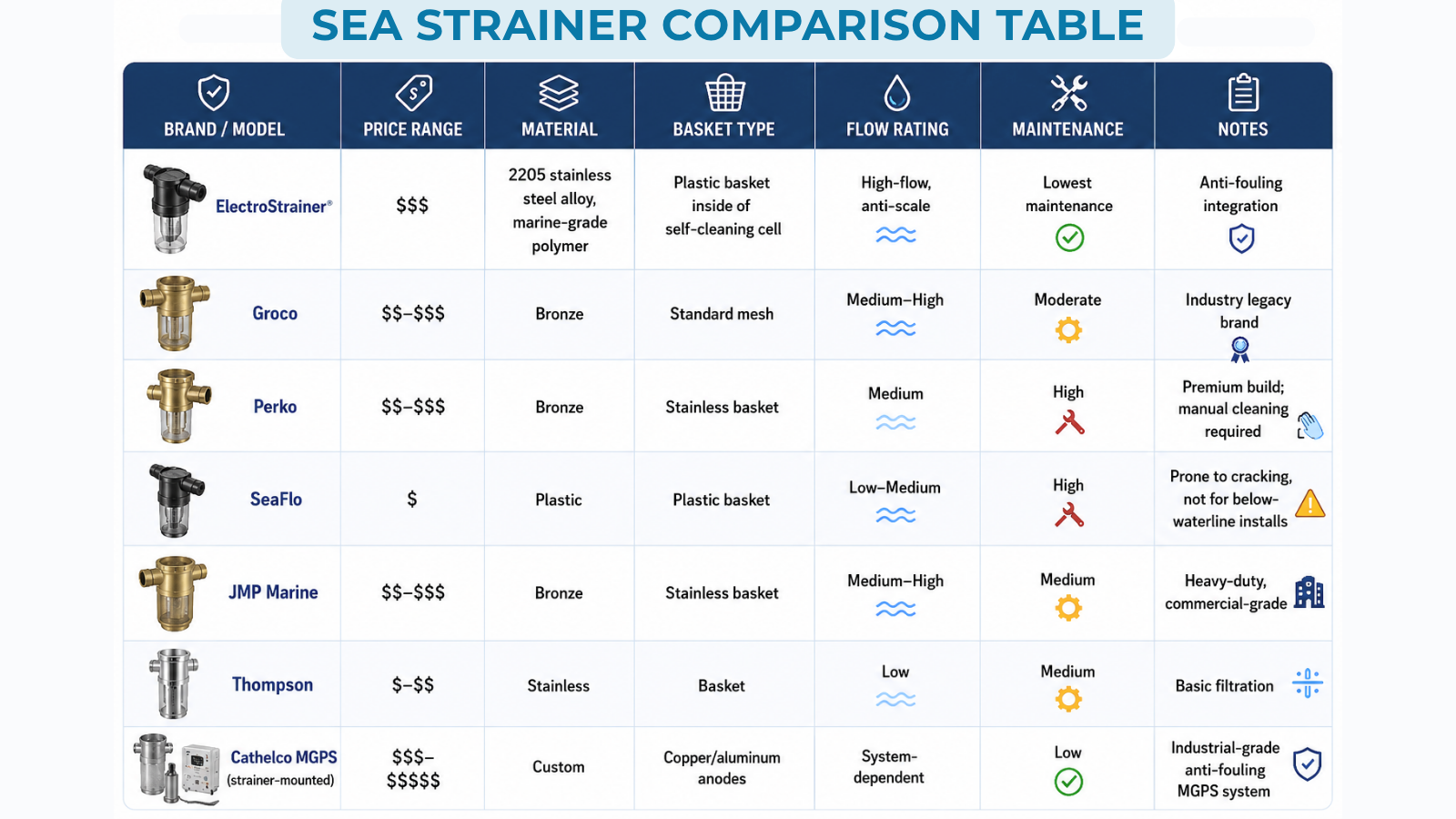
The products in the comparison table and explored in this article represent some of the most commonly discussed and widely available sea strainers and marine growth prevention systems on the market today. While every boat and operating environment is different, these brands frequently appear in dealer networks, owner forums, and product searches.
1. ElectroStrainer®
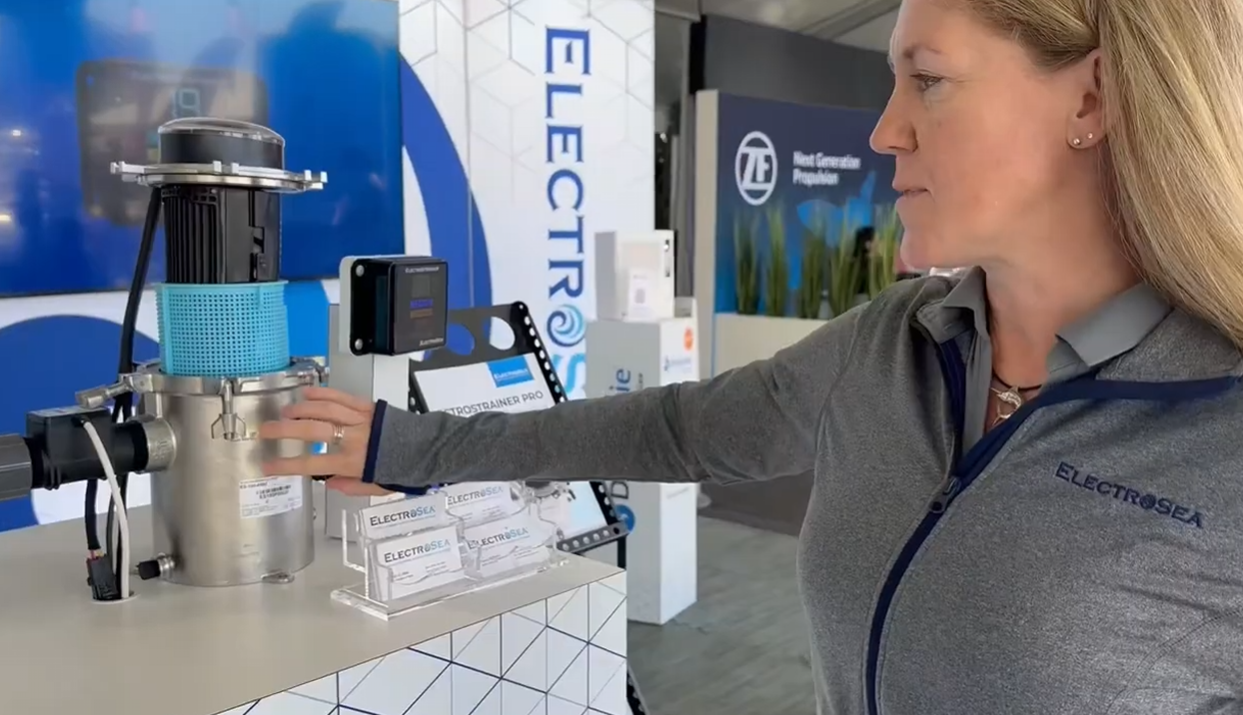
Ease of Maintenance: ★★★★
Durability: ★★★★
Effectiveness: ★★★★
User Reviews: ★★★★
Dealer Reviews: ★★★★
Price: $$$
Warranty: 2 years (Pro series)
ElectroStrainer stands out as the only fully smart, self-cleaning strainer in the category. It prevents marine growth automatically, requires near-zero owner maintenance, and consistently delivers clean flow even in high-growth areas.
ElectroSea products are known for premium build quality, advanced electronics, and strong adoption among dealers and OEMs, including Princess Yachts, Riviera Yachts, and Viking Yachts.
Users consistently cite no clogs, no lost performance, and the ability to go several weeks (often months) without touching their strainer.
This is the only strainer in the article round-up with real industry buzz and product awards.
Pros
- No descaling
- Reduced manual cleaning (other debris that is not marine growth, like sand or plastic bags)
- Smart automation and alarms
- Best-in-class build quality
- High customer satisfaction
- DIY installation for the Sport unit
- Proven results in heavy-growth waters
Cons
- Higher initial cost; many customers say it takes 1-1.5 years to recoup investment
- Dealer installation is required for Pro models (although many customers prefer professional installation)
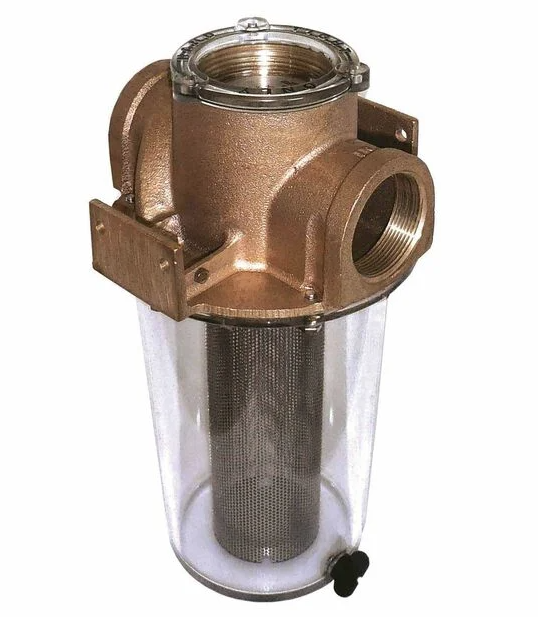
2. Groco (All Series: ARG, SA, SD, SE, BVS)
Ease of Maintenance: ★★★⯪
Durability: ★★★★
Effectiveness: ★★★☆
User Reviews: ★★★⯪
Dealer Reviews: ★★★★
Price: $$$
Warranty: 1 year
Groco is one of the most well-known legacy brands in the strainer world. Groco strainers have heavy-duty bronze bodies, stainless baskets, and wide compatibility.
Customer sentiment in review forums is generally positive but realistic: strainer baskets can clog in high-growth areas, inspections are manual, and maintenance frequency depends heavily on local waters.
Pros
- Robust bronze bodies
- Easy-access lids (especially ARG)
- Strong dealer support
- Broad range of port sizes
- Replacement parts readily available
Cons
- Manual basket cleaning (frequent in Southern Florida and high-marine-growth climates)
- Can clog quickly in warm, weedy regions
- Larger footprint in tight engine rooms
- Bronze system; bronze leaches copper into the water, which is harmful for marine life
>> Related read: How to Clean A Boat Strainer: Step-by-Step Guide + Tips and Common QAs
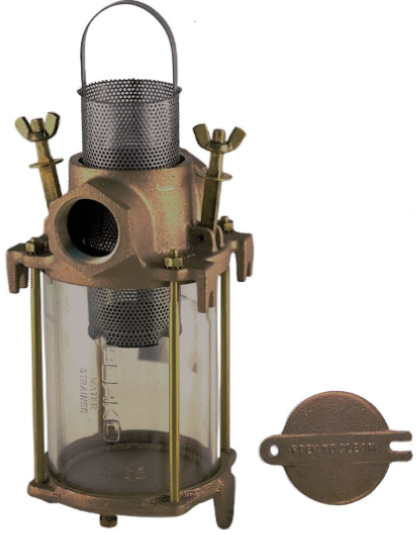
3. Perko (Intake and Duplex Intake Water Strainers, Flushing Strainers)
Ease of Maintenance: ★★⯪☆
Durability: ★★★☆
Effectiveness: ★★⯪☆
User Reviews: ★★★☆
Dealer Reviews: ★★★☆
Price: $-$$$
Warranty: 1 year
Perko is widely used, with reviews on owner forums consistently describing basic, but not exceptional, performance.
The sea strainer bodies are considered moderately durable, but some users note that baskets can be hard to open and units clog frequently in high-growth environments.
Pros
- Affordable
- Easy parts sourcing
- Common on many boats
- Straightforward design
Cons
- Frequent clogs
- Lids can seize
- Stubborn wing nuts
- Not ideal for Florida or Caribbean conditions with high marine growth
- Bronze raw-water strainer options are harmful for aquatic life and fish populations
4. Shurflo (RV / Marine Twist-On Filters)
Ease of Maintenance: ★★☆☆
Durability: ★★⯪☆
Effectiveness: ★★☆☆
User Reviews: ★★★☆
Dealer Reviews: ★★☆☆
Price: $
Warranty: 1-2 years (varies)
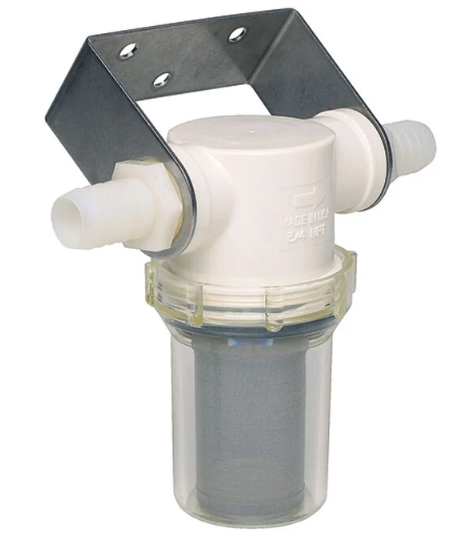
Shurflo offers boaters a small, inline strainer basket made of plastic. It’s designed for pumps – A/C, freshwater, washdown – not heavy-duty engine protection.
Reviews are mixed. Users like the price but consistently complain about cracking plastic, lid failures, and short lifespan in saltwater.
Pros
- Very cheap
- Easy to replace
- Works fine for non-critical water systems
Cons
- Not suited for below-waterline use
- Plastic lids crack and freeze up
- Often used with bleach or bromide tablets, which wear down pipes and water system components and are harmful to the environment
5. Seaflo
Ease of Maintenance: ★★☆☆
Durability: ★★☆☆
Effectiveness: ★★☆☆
User Reviews: ★★⯪☆
Dealer Reviews: ★★☆☆
Price: $
Warranty: 4 years (often difficult to claim)
Forum sentiment (from the Hull Truth and SailboatOwners) is critical, with comments like “fiddly,” “gets clogged easily,” “mixed results,” and “if you have a completely dry place, they might last.”
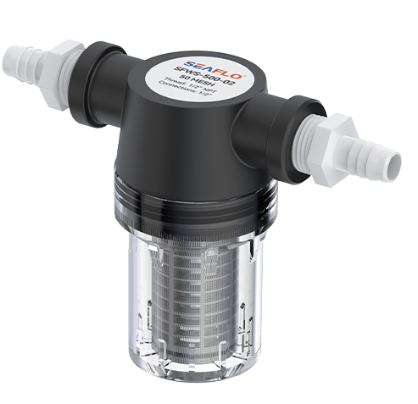
Seaflo intake strainers on Amazon ($19–$34) are inexpensive, but long-term saltwater performance is inconsistent. In review comments, Amazon customers note brittle lids, corrosion on screws, and clogging.
Pros
- Lowest price in the category
- Transparent lid for quick visual checks
- Very easy to install
Cons
- Lid failures after ~2 years or less
- Warranty fulfillment is complex
- Users report inconsistent performance under real marine loads
- Often used with bleach or bromide tablets; wears down pipes and water system components and harmful for environment
6. JMP Marine (ST Series)
Ease of Maintenance: ★★★☆
Durability: ★★★★
Effectiveness: ★★★★
User Reviews: ★★★☆
Dealer Reviews: ★★★★
Price: $$$
Warranty: 1 year
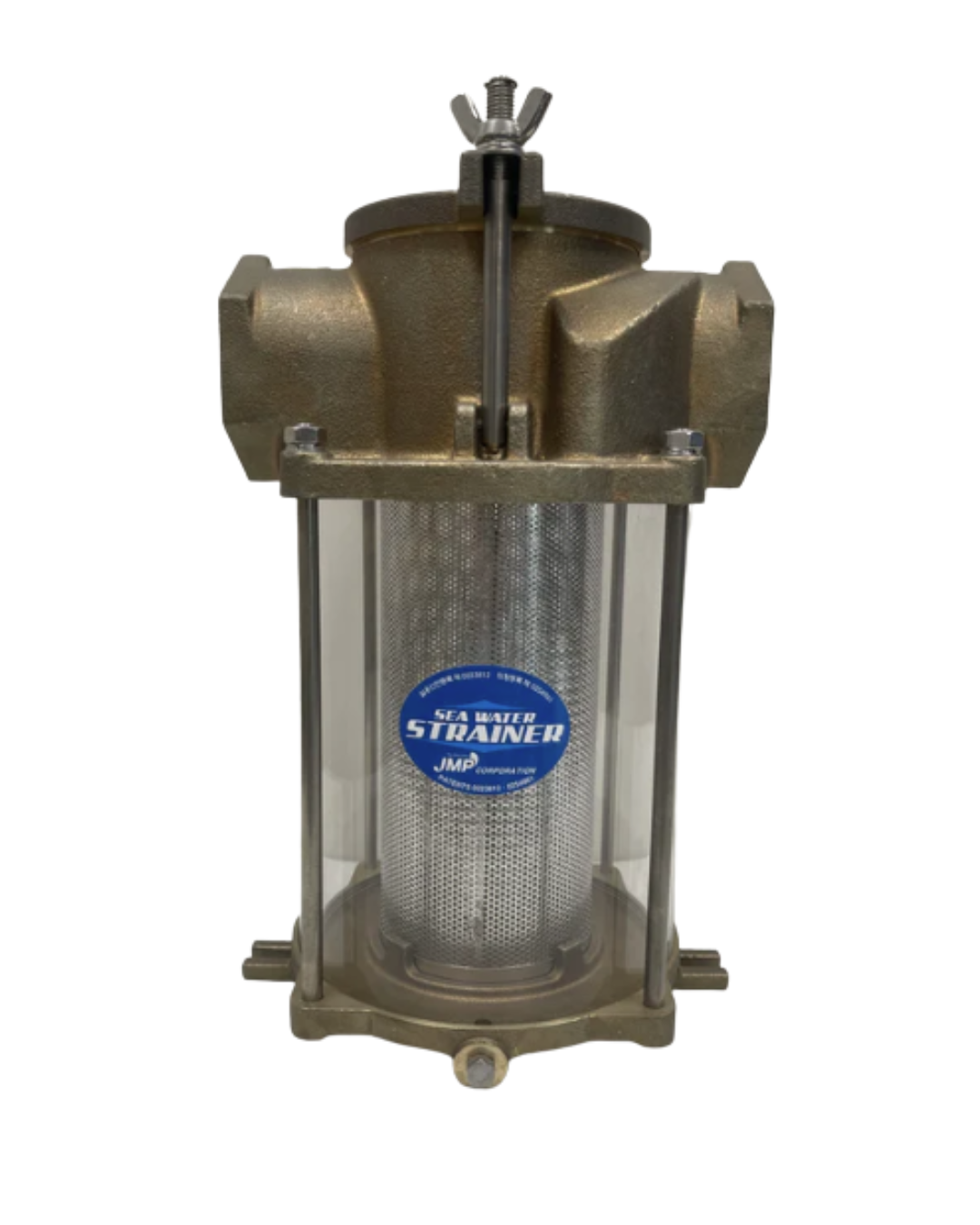
JMP builds industrial-grade bronze sea strainers with very large stainless baskets, thick castings, and excellent flow rates.
Dealer listings show prices that range from $726–$1,516, depending on port size. JMP products are serious commercial-style units — reliable, heavy, and large.
Customer sentiment is favorable, with user forum reviews noting strong performance, but lamenting the expensive price point and extra space needed for the unit’s extra-large footprint.
Pros
- Heavy-duty bronze
- Excellent flow throughput
- Long-lived stainless baskets
- High-pressure capability
Cons
- Heavy and bulky
- Expensive
- Overkill for smaller boats
- Bronze water system is harmful for aquatic environment, including fish stocks; not eco-friendly
7. Thompson (Thompson Strainers — Miller-Leaman)
Ease of Maintenance: ★★★☆
Durability: ★★★★
Effectiveness: ★★★☆
User Reviews: ★★⯪☆
Dealer Reviews: ★★★☆
Price: $$–$$$
Warranty: 1 year
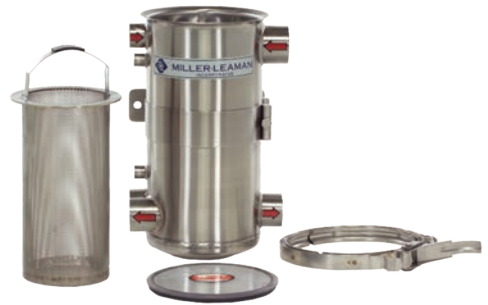
Thompson sea strainers (from Miller-Leaman) are industrial-style stainless basket strainers commonly used for work boats, government and military vessels, yachts, and offshore industry.
They baseline filtration with solid durability thanks to thick stainless construction, but they’re not purpose-built for marine growth prevention the way modern systems like ElectroStrainer or Cathelco are.
Dealers generally view them as dependable workhorses, although not optimized for modern yachts or heavy fouling regions.
Pros
- Stainless-steel construction
- Simple, industrial-grade design
- Easy-to-source replacement baskets
- Better corrosion resistance than bronze in some environments
Cons
- Fully manual cleaning
- No anti-fouling technology
- Lower flow efficiency compared to a premium marine strainer
- Overkill for small boats, but under-featured for high-growth regions
8. Cathelco (MGPS Strainer-Mounted System)
Ease of Maintenance: ★★★★
Durability: ★★★★
Effectiveness: ★★★☆
User Reviews: ★★★⯪
Dealer Reviews: ★★★★
Price: $$$$
Warranty: Lifetime (on many systems)
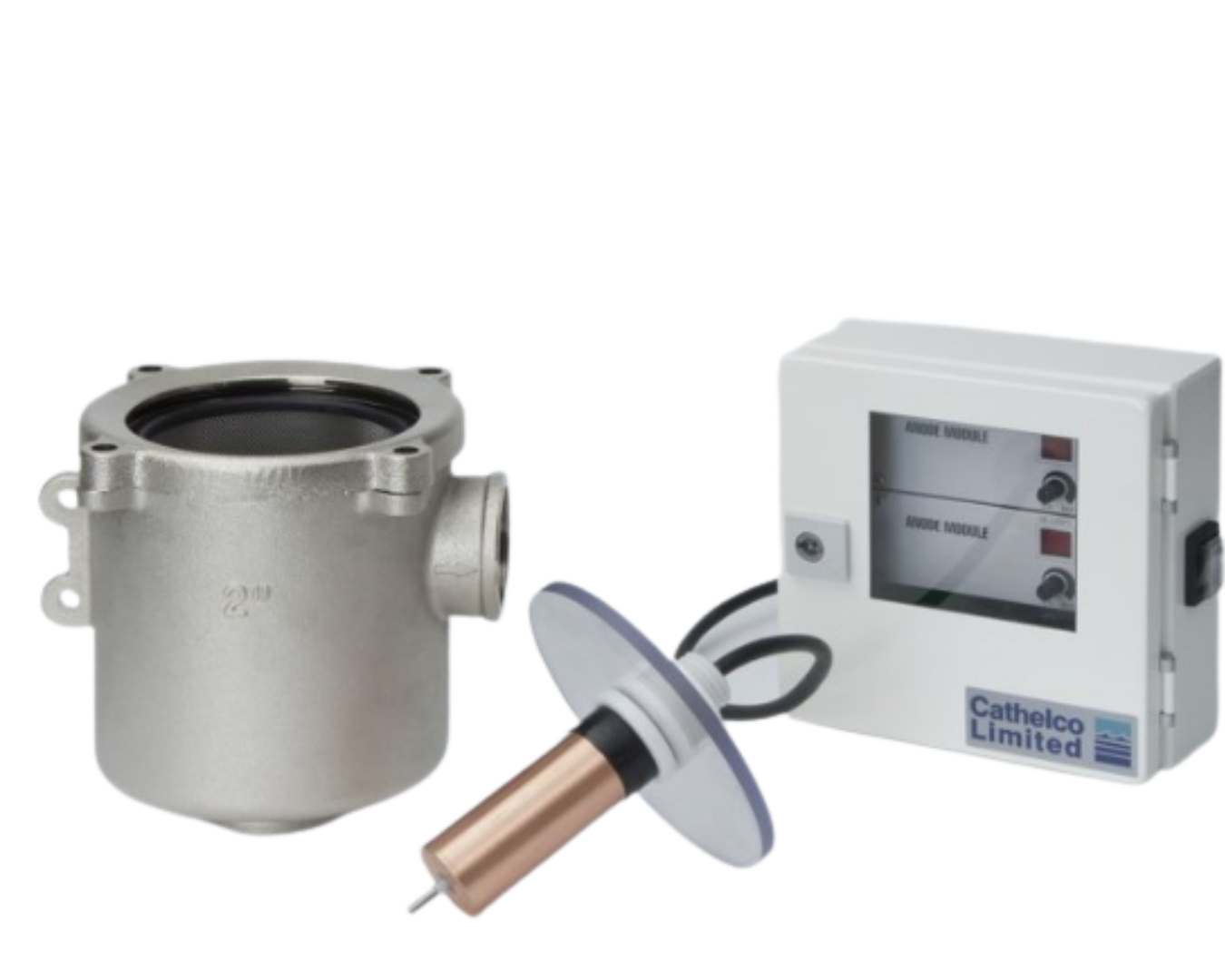
Cathelco isn’t a traditional sea strainer; it’s a marine growth prevention system that mounts its copper/aluminum anodes in strainers or sea chests.
It prevents fouling chemically, not mechanically, and is extremely effective on large commercial vessels, megayachts, ferries, and military craft.
While Cathelco states that its copper ion release is safe, the exact quantities released are unknown, and copper is one of the most toxic metals
Pricing is hefty:
- Anodes: ~$900–$1,800
- Full systems: $5k–$50k+ depending on vessel size
For use in commercial settings, customer sentiment is quite positive. Usage is less common on yachts and recreational vessels due to cost.
Pros
- Virtually eliminates marine growth
- Low maintenance
- Protects the entire seawater system
- Extremely long life
Cons
- Very expensive
- Requires professional installation
- Overkill for many recreational boats
- Copper ion release