
Understanding the significance – and cost – of marine growth in the U.S. and abroad
Last updated: September 4, 2026
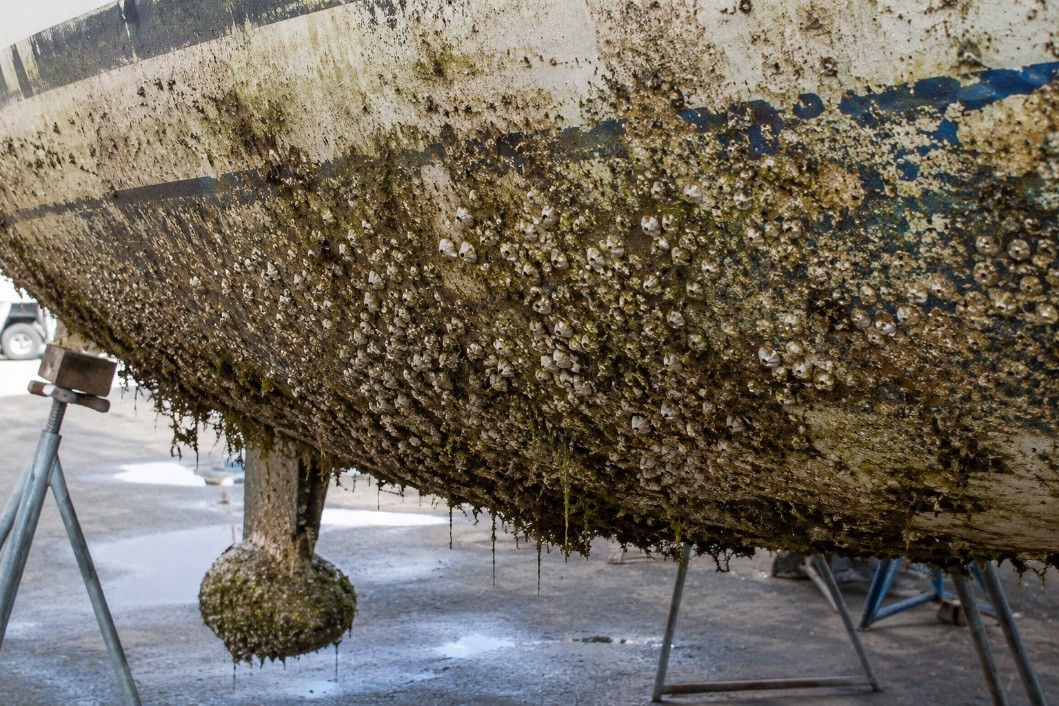
If you’ve ever walked along a marina and seen boat hulls covered in zebra mussels, barnacles, or swampy green fuzz, you’ve seen marine growth firsthand.
It’s a major cosmetic nuisance. But more importantly, marine growth is a costly, highly pervasive problem affecting boaters, marinas, ecosystems, and even the global supply chain.
Marine growth clings to docks and hulls, but it also enters boats through raw water systems, where it can clog lines, damage pumps, reduce flow rates, and shorten the lifespan of critical onboard systems.
Traditional methods for dealing with marine growth involve reactive cleaning with harsh chemicals or manual descaling after buildup has already occurred.
Increasingly, however, boat owners and marine professionals are turning toward greener, more targeted technologies to prevent marine growth before it starts.
Companies like ElectroSea have spent years developing marine growth prevention systems (MGPS), with products such as ElectroStrainer trusted worldwide by boaters and boat builders.
What is marine growth?
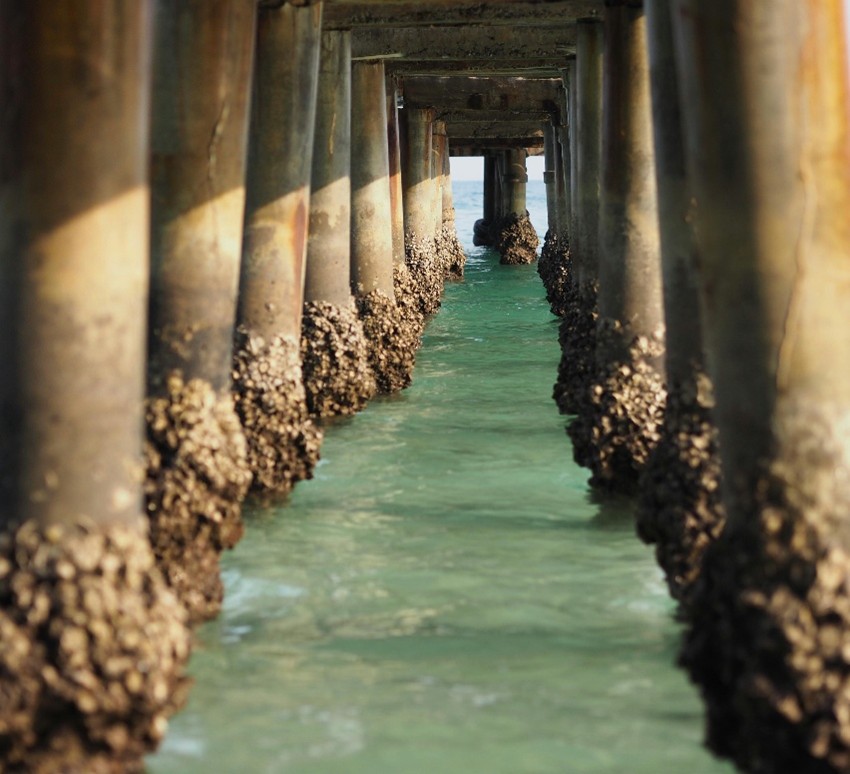
Marine growth, also called biofouling, is the accumulation of aquatic organisms on surfaces submerged in raw water.
Over time, these organisms, like algae, barnacles, mussels, and biofilm, attach to boats, docks, seawater pipelines, and offshore structures that spend time in raw water.
Soft or hard fouling
Marine growth is typically categorized as either “soft” fouling or “hard” fouling.
Soft fouling includes algae, seaweed, and biofilm (slime), while hard fouling refers to more rigid organisms and deposits like barnacles, mussels, shell growth, and heavy calcification. Both create serious operational and maintenance challenges.
Marine growth on boat exteriors
When envisioning marine growth on boats, people picture a boat hull (bottom).
Biofouling does affect the hull, and also keel, propellers, shafts, seacocks, and any other submerged components. The buildup reduces speed and maneuverability while increasing drag and is astoundingly heavy.
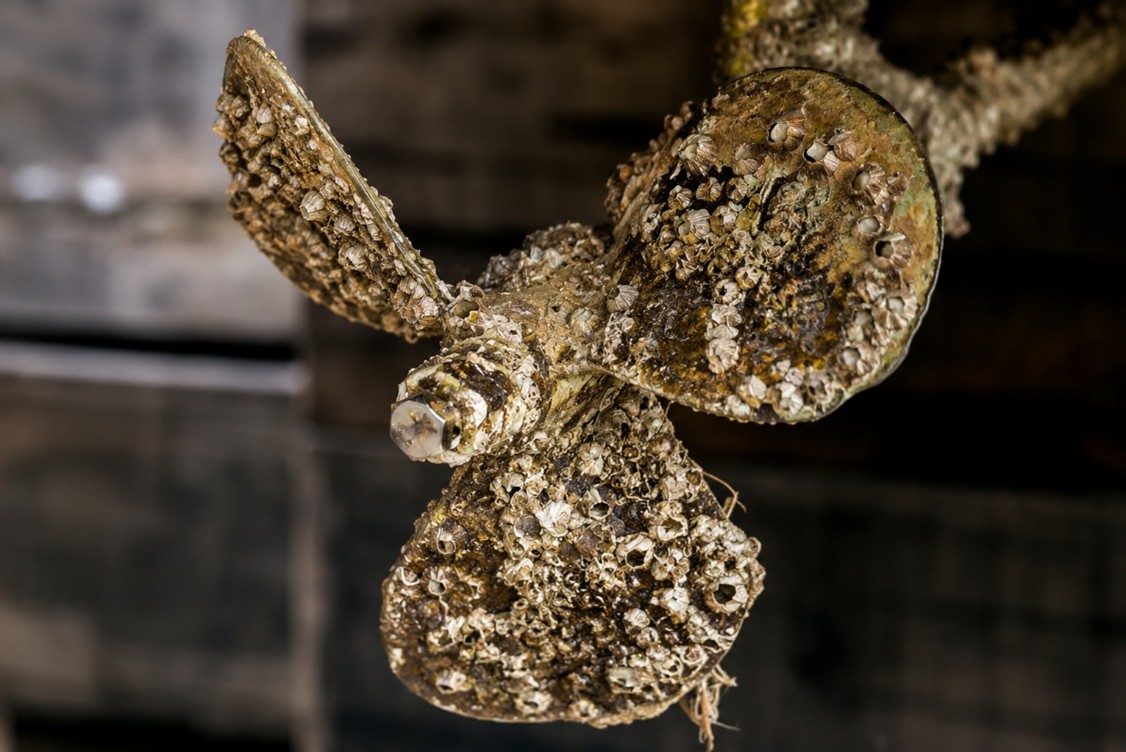
According to recent research, biofouling can accumulate at rates exceeding 330 pounds per 10 square feet (150 kilograms per square meter) and reduce cruising speed — while increasing fuel consumption — by 7% to 14%.
As such, a 50-foot yacht with marine growth could carry 500 pounds of added buildup in algae, slime, shell growth, and calcification. For larger commercial vessels, marine growth adds several tons of extra weight to a ship.
Weight is only part of the problem. Thin layers of biofilm (slick algae with ocean debris) and bacteria-based slime can significantly increase drag and hinder vessel performance long before heavy barnacle or shell growth appears.
Marine growth also varies dramatically by region. The conditions a boat encounters in Florida are vastly different from those in the Baltic Sea, the Mediterranean, or off the coast of New Zealand. Some waters promote aggressive barnacle growth, while others are dominated by algae, mussels, slime, or heavy calcification.
Environmental conditions such as salinity, water temperature, ocean currents, vessel usage patterns, latitude, and hull coatings all influence how quickly marine growth develops and how severe the fouling becomes.
For hull fouling, this leads to reduced speed, worse fuel economy, and higher operating costs.
Hull antifouling solutions
Different technologies exist to address hull fouling, including:
- Anti-fouling bottom paints
- Ablative coatings
- Foul-release coatings
- Ultrasonic systems
- Pressure washing during haul-outs
- Mechanical scraping (tools to scrape off hull)
- Professional cleaning, including underwater diver cleaning
Interior marine growth
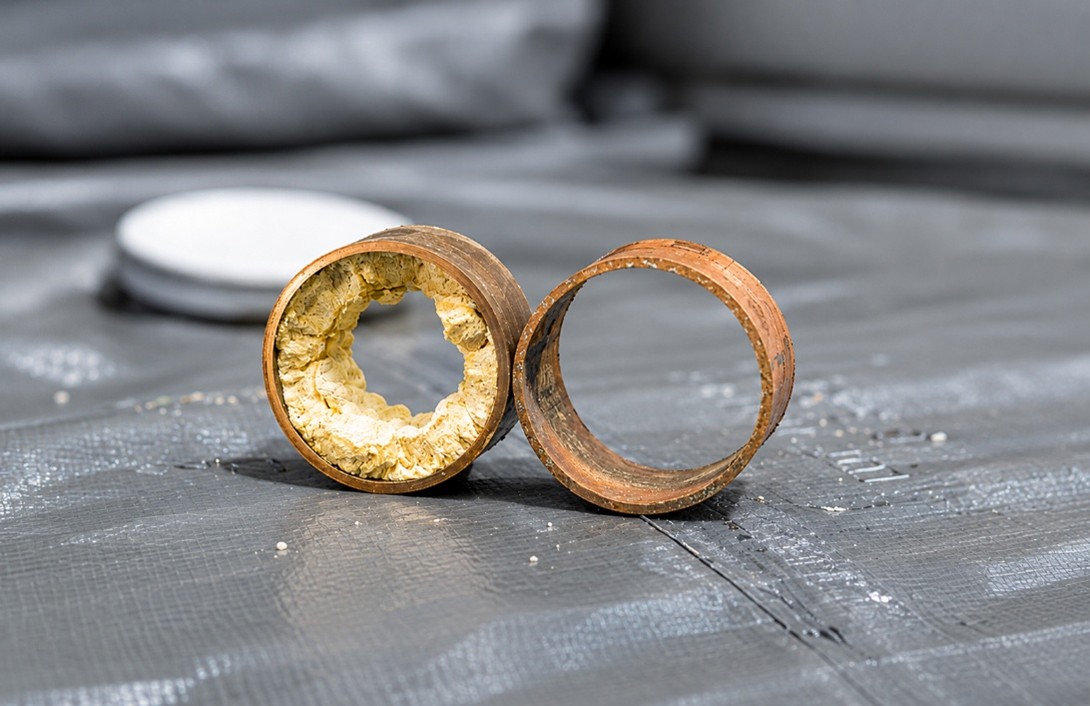
External fouling is one part of the problem. Marine growth also develops inside raw water systems, where buildup restricts flow and can damage equipment well before the boat owner may notice.
Commonly affected systems include:
- Sea strainers
- Air conditioning and chiller lines
- Engine cooling systems
- Pumps and heat exchangers
- Through-hulls and raw water plumbing
- Livewell systems
- Seawater washdown systems
Unlike hull growth, internal marine growth isn’t readily visible. Generally, it goes unnoticed until performance begins to decline.
The most obvious (and most frustrating) indicator is when the boat’s A/C fails. Other telltale signs include reduced water flow, hot equipment, increased vibration, pump strain, and premature equipment wear.
Marine growth is also a major challenge for oil platforms, seawater intake systems, ports, desalination facilities, underwater sensors, offshore wind infrastructure, and industrial cooling systems.
When a surface is exposed to raw water long enough, marine organisms will attempt to colonize.
Marine growth aboard boats
Even people who know nothing about boating have had to deal with marine growth.
If you’ve ever picked up a rock from a lake or ocean and felt it covered in a slimy coating, you already understand the basic concept.
Now imagine that same buildup happening inside a narrow cooling line feeding your marine air conditioning system.
Restricted water flow
Marine growth narrows plumbing pathways over time, which can lead to clogged lines, poor air conditioning performance, equipment overheating, pump strain, or chillers and livewells breaking down.
In severe cases, lines can become almost completely obstructed.
Increased maintenance
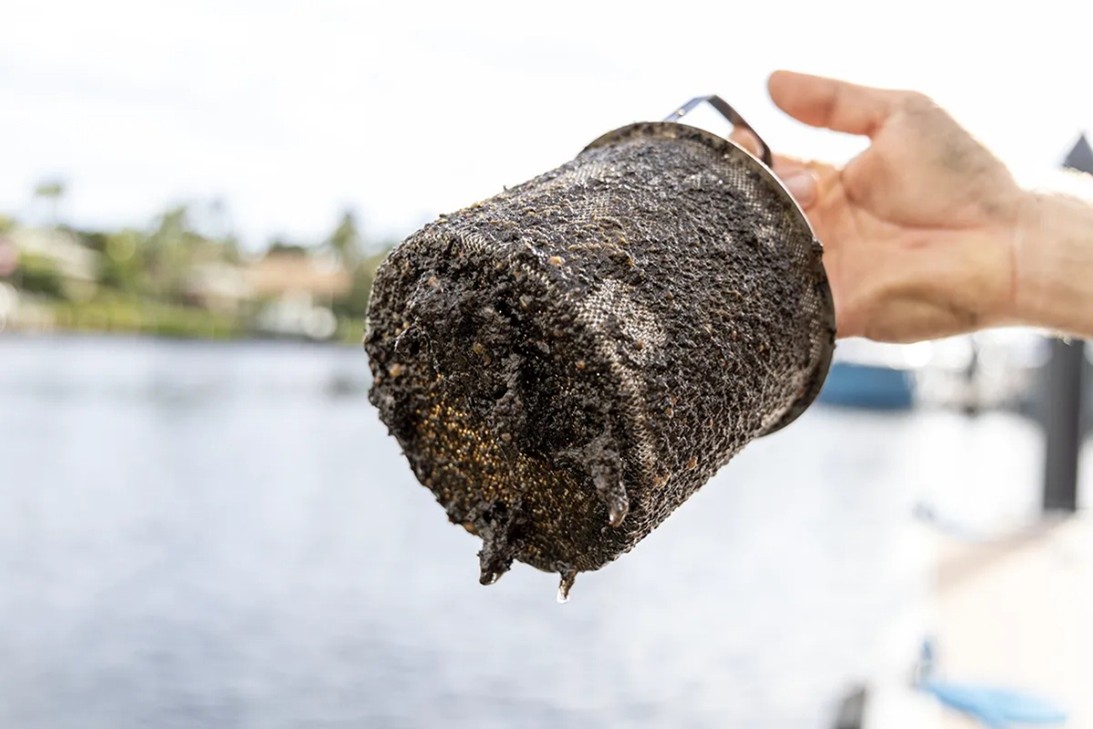
Biofouling complicates boating maintenance. Traditionally, marine growth maintenance is reactive.
Owners wait until something clogs or stops working, and then pay for replacement parts or professional repairs.
Common price ranges include:
- AC line descaling/acid flushes: $300 – $1,500
- Heat exchanger flush and cleaning: $500 – $10,000+
- Basket cleaning: $10 – $300
- Replacement of plumbing lines: $500 – $5,000+
- Haul-outs: $300 – $5,000+
- Pump servicing: $150 – $1,500+
- Pump replacement: $1,000 – $5,000+
- Livewell replacement: $300 – $10,000+
- A/C unit replacement (small, self-contained marine unit): $1,000 – $8,000+
- Marine chiller unit: $8,000 – $50,000+
Additionally, a marine dehumidification system can reduce excess cabin humidity, condensation, mildew, and other moisture-related issues common on boats and in marine environments. While custom builds can cost $1,000 – $5,000 or more, many boaters use home dehumidifier appliances or purpose-built marine dehumidifiers like DryGenie.
Price ranges are based on data gathered from The Hull Truth, Reddit, Trawler Forum, published rates on dealer websites, and costs that ElectroSea customers have shared with us. Prices for supplies and/or labor may vary in your market.
It’s less expensive to buy the part and complete the work; however, going the DIY route presents challenges.
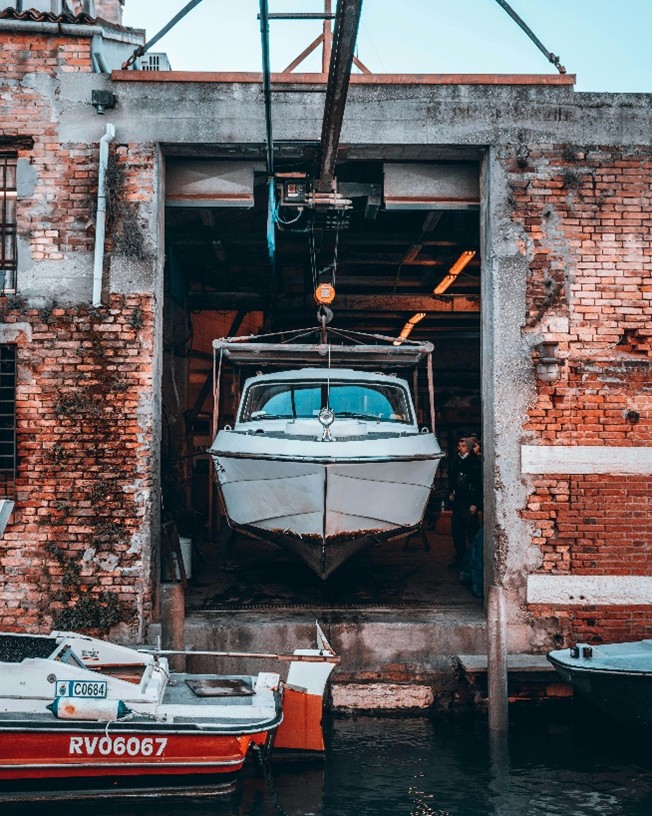
DIY often means crawling into a cramped, humid bilge compartment with a flashlight, trying to figure out why the water flow suddenly dropped.
Not ideal, which is why advanced maintenance solutions take a more preventative approach. ElectroSea’s seawater strainers, as an example, use electrochlorination technology to suppress marine growth.
How ElectroSea marine growth prevention systems (MGPS) work
ElectroSea systems use the natural properties of seawater to generate controlled chlorine levels using the salt already present in the water. This process, called electrochlorination, suppresses marine growth.
In simple terms:
- Raw seawater enters the system.
- ElectroSea technology converts natural-occurring salt in the water into a controlled amount of chlorine (less than you’d find in a cup of tap water).
- Chlorinated water circulates through the water system.
- Marine growth is suppressed before it can latch on and colonize.
The small amount of chlorine produced dissipates before it leaves the boat, thus no chlorine is released into the ocean.
Here, ElectroSea does not mask the problem or clean up after the growth. Its technology prevents growth from happening in the first place.
The company has spent years focused specifically on how marine growth develops inside raw water systems and how to prevent it effectively.
That matters because marine environments vary dramatically depending on water temperatures, salinity, seasonality, geographic location, and vessel usage patterns.
Green isn’t always the goal
Although marine growth prevention systems like ElectroStrainer are greener, not every boater is focused on environmental impact. Many say, “I just want my boat to work.”
Within this group, marine growth prevention solutions (MGPS) like the ElectroStrainer are in extraordinarily high demand.
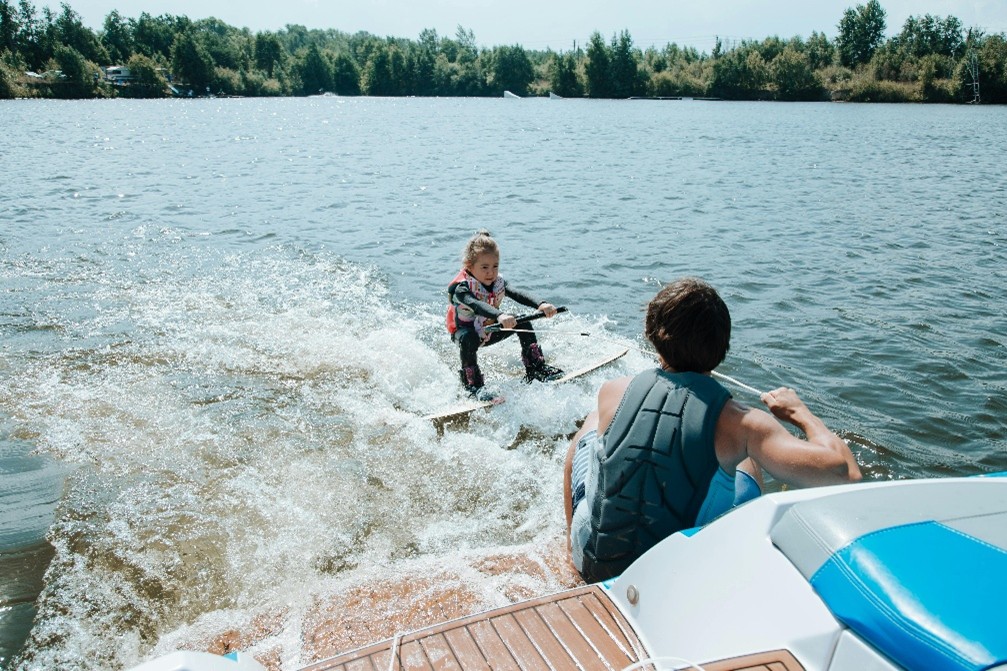
Boat owners value the simplicity and reliability that MGPS products offer, as here they are preventing marine growth proactively instead of reacting to it.
This means:
- Reliable cooling
- Less maintenance
- Better performance
- Fewer repair bills
- More time on the water
- Fewer surprises
Even boaters who do not prioritize environmental stewardship still have to deal with increased operating costs, suboptimal performance, and servicing wrecked equipment.
Adhering to strict global regulations
Using MGPS on boats is also tied to regulatory concerns.
Invasive aquatic species, including zebra mussels and other transported organisms, have caused billions in ecological and infrastructure damage globally.
Many countries have introduced stricter biofouling regulations for vessels traveling between ports to protect fisheries, native ecosystems, and reduce the spread of invasive species.
There is tighter scrutiny around hull fouling, chemical discharge, and the use of certain anti-fouling treatments.
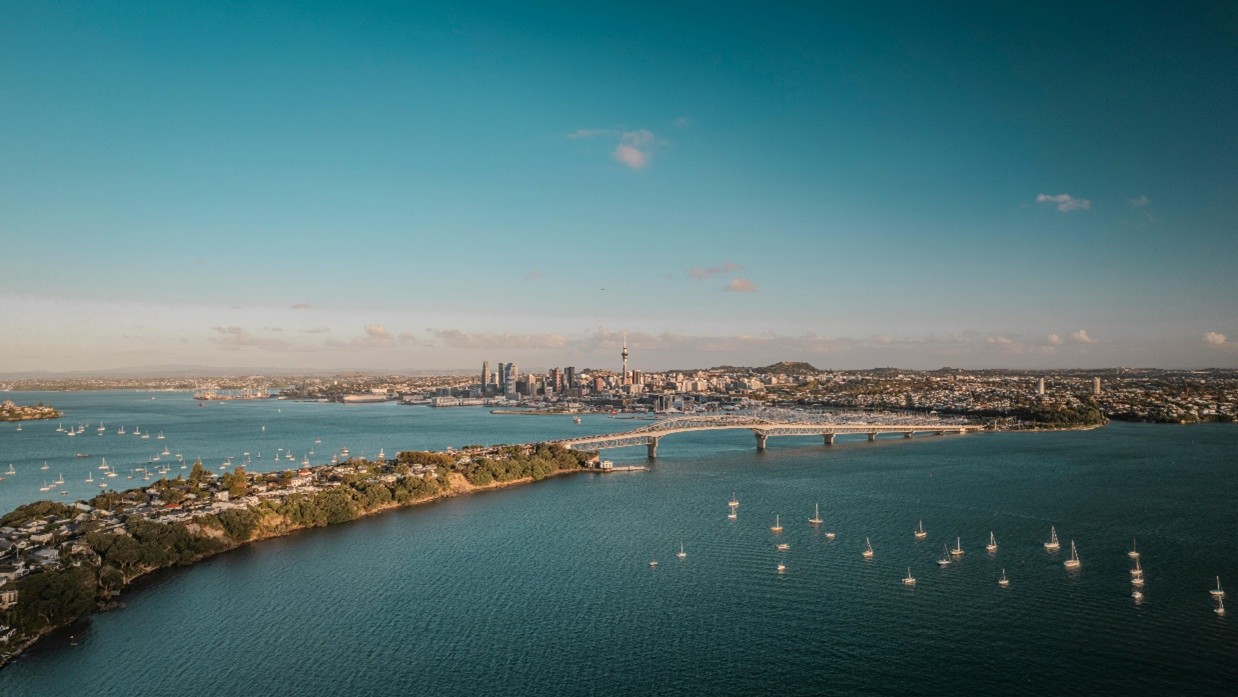
New Zealand, for example, is known to deny entry to ships for biofouling violations. These ships must clean their hull (an expensive, time-consuming process) and pass inspection before being allowed to dock, and some vessels, like the Pacific Adventure, are turned away entirely.
Neighboring Australia has strengthened biosecurity and environmental protections in recent years, while the European Union heavily regulates biocides, chemicals, and marine discharge.
As a result, marine operators are looking for ways to manage marine growth that reduce maintenance and limit reliance on banned, restricted, or banned chemicals.
Conclusion
For decades, most marine growth management has been reactive: wait for the buildup, then clean, descale, flush, scrape, or replace damaged components after performance starts declining.
Increasingly, however, boat owners, marinas, and marine operators are shifting toward prevention-focused systems. The goal is to suppress marine growth before it takes hold, not eradicate it after the fact.
The shift reflects a growing recognition that marine growth is more than an environmental issue. Those concerns are considerable, but biofouling compromises reliability, performance, operating costs, and day-to-day boating experience.
Few boat owners want to deal with clogged lines, failing air conditioning, restricted water flow, repeated haul-outs, or expensive repairs caused by unchecked growth inside their systems.
The longer biofouling goes unmanaged or reactively treated with toxic chemicals, the more expensive and disruptive a problem it becomes.